
Building a custom home can seem like a huge puzzle — lots of pieces to fit together just right. But when you find the right builder, that puzzle starts to come alive in ways you never imagined. A good custom home builder doesn’t just build walls and roofs; they listen, guide, and work with you every step to turn your dream into a real place you’ll love. Let’s take a closer look at why choosing the right custom home builder matters so much for your project’s success.
When selecting a custom home builder, it is essential to choose one who offers personalized design collaboration, exceptional craftsmanship, and transparent communication throughout the entire process. At Parker Kane Custom Homes, we prioritize your vision and lifestyle by working closely with trusted architects and contractors to create a unique home tailored specifically for you, ensuring quality construction and an outstanding client experience from start to finish.
The Role of a Custom Home Builder
A custom home builder is much more than just a contractor swinging hammers. They are the central figure orchestrating every phase of your home’s creation, turning blueprints into bricks and mortar while making sure your vision doesn’t get lost in the shuffle. At Parker Kane Custom Homes, for instance, owner Dale Heine emphasizes close collaboration with clients, architects, and tradespeople to ensure each unique detail reflects the homeowner’s lifestyle and personality.
This leadership extends beyond managing crews and materials; it means serving as translator and problem solver between different experts. When questions arise about design feasibility or construction challenges, the builder navigates solutions. They also guide you through decisions that could impact your budget or timeline, ensuring transparency every step of the way. Think of them as your trusted partner who keeps the entire process flowing smoothly from start to finish.
Beyond coordination lies an equally crucial but often unseen responsibility: handling the maze of permits and regulations.
Handling Permits and Regulations
Securing building permits and ensuring adherence to local codes might not be glamorous work, but it’s essential. Navigating zoning laws, environmental restrictions, and safety standards can feel like a perplexing puzzle for someone unfamiliar with construction law. A seasoned builder like Dale Heine at Parker Kane Custom Homes assumes this burden so clients avoid headaches later.
His expertise ensures that designs comply with San Antonio-area regulations without unnecessary delays. This proactive approach prevents costly fines or mandated changes after construction has begun—issues that can derail timelines and inflate budgets unexpectedly. In short, working with someone experienced in these areas safeguards your project’s integrity from the ground up.
While legal compliance is critical, what truly sets a custom builder apart is their commitment to quality craftsmanship and keeping projects on schedule.
Ensuring Quality and Timeliness
According to the National Association of Home Builders, nearly 75% of custom home builders ranked quality control as their foremost priority in 2024.
Achieving this starts with frequent site inspections—builders check every phase of construction closely, from foundation pouring to final finishes—identifying issues before they become expensive setbacks. Keeping a detailed progress log allows builders to anticipate delays caused by weather, supply chain hiccups, or other variables.
At Parker Kane Custom Homes, this means limiting annual projects intentionally so each home receives focused attention. It’s why clients can track progress online through an easy digital platform that works on any device—offering reassurance without needing constant calls or visits. Balancing meticulous craftsmanship with efficient project management is what ensures homes are delivered both beautiful and on time.
“Building a home is more than assembling materials; it’s about crafting a space that harmonizes with who you are,” explains Dale Heine. This philosophy anchors everything his team does—from planning through completion—helping clients move confidently toward living in a truly personalized space.
When choosing a custom home builder, look for one who embraces these comprehensive responsibilities: effective communication, thorough regulatory knowledge, relentless quality oversight, and respectful adherence to your timeline. Such a partner transforms what may seem complex into an exciting journey toward your perfect home.
Understanding the depth of expertise a custom builder brings prompts us to consider how this investment pays off in tangible benefits when you work with professionals dedicated to turning dreams into reality.
Benefits of Hiring a Custom Home Builder
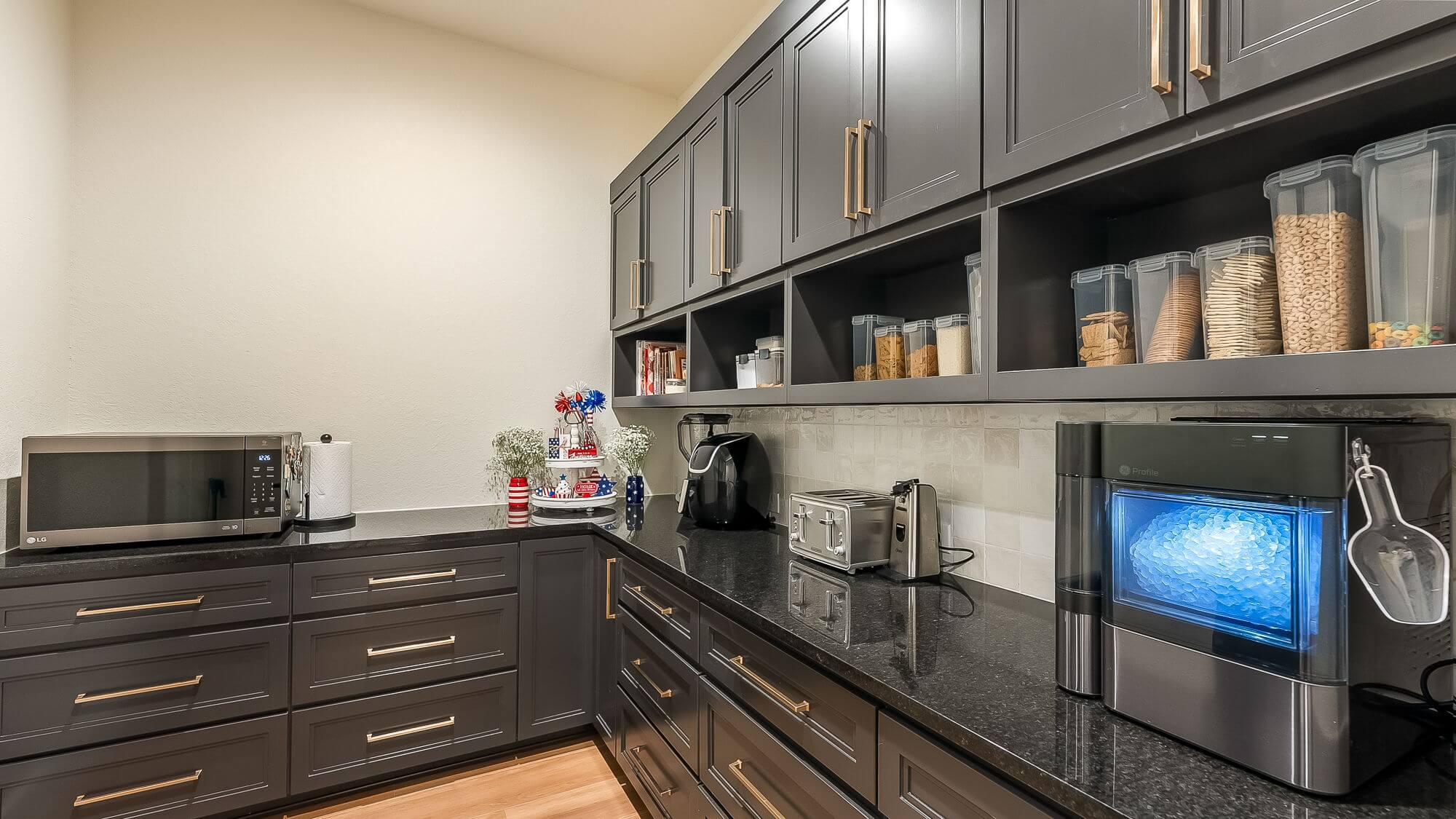
One of the most compelling reasons to work with a custom home builder is the creative freedom and personalized design they provide. Unlike mass-produced homes that follow cookie-cutter blueprints, custom builders like Parker Kane Custom Homes enable you to create spaces that truly reflect your personality and lifestyle. Imagine designing a kitchen equipped with the latest appliances perfectly arranged for your cooking style or crafting an outdoor living area that serves as your private retreat for family gatherings and quiet evenings alike.
This kind of personalized attention isn’t merely about aesthetics. It’s about making sure every inch of your new home supports how you live, work, and entertain. The collaborative process allows for unique architectural features and innovative design solutions that off-the-shelf homes simply can’t offer.
Recent findings reinforce this advantage: a 2023 Zillow survey revealed that homes built by custom builders enjoy 20% higher client satisfaction rates compared to those by volume builders. This suggests that clients feel more connected and content with homes tailored to their specific visions rather than generic templates.
Beyond the creative aspects, there’s also a strong case to be made for the cost-effectiveness of hiring a custom builder—a point often overlooked by prospective homeowners.
While custom homes may seem more expensive at first glance, working with builders who respect your budget ensures that every dollar is thoughtfully allocated toward features that genuinely enhance your quality of life. Parker Kane Custom Homes, for instance, guides clients through pre-construction planning and accurate estimating that prevents costly surprises later in the process.
By prioritizing energy-efficient systems, durable materials, and thoughtful layouts from the outset, custom homes tend to reduce long-term expenses related to maintenance, repairs, and utility bills. This strategic investment pays dividends over time—a principle that often flies under the radar when buyers only focus on initial sticker prices.
From crafting personalized designs to managing budgets wisely and ensuring quality craftsmanship, working with a custom home builder sets the stage for a smooth journey ahead. With these benefits in mind, understanding the practical steps involved from concept to completion becomes the natural next step.
Steps in the Custom Home Building Process
The journey to owning a custom home begins with an essential meeting where your ideas take center stage. This initial consultation with your builder is much more than a casual chat—it sets the foundation for everything to come.
Here, you’ll explore your lifestyle needs, design preferences, budget limits, and timelines. It’s from this detailed conversation that a clear and tailored project plan emerges, ensuring everyone involved shares the same vision and expectations moving forward.
Once these pieces are in place, the process enters the design and approval phase. Skilled architects and designers transform your ideas into precise blueprints. These plans do more than just depict walls and rooms—they capture your personality and lifestyle in architectural form.
While designs materialize, there’s simultaneous work on securing permits and performing site evaluations to guarantee your dream home meets all legal and environmental standards. This phase may seem meticulous, but it’s crucial for avoiding costly delays later on.
- Design finalization: Refining every detail until it resonates perfectly with you
- Permit acquisition: Navigating municipal approvals to keep construction compliant
- Site evaluation: Assessing ground conditions to prepare for construction
With plans approved and groundwork set, the build phase—the heart of your home—begins in earnest.
Construction kicks off with activities like excavation and laying the foundation, vital steps that ensure structural integrity for decades. Following that, framing rises, creating the skeleton visible even before finishes sculpt the look you imagined.
Installing critical systems such as HVAC, plumbing, and electrical wiring happens concurrently or shortly thereafter so your home not only looks stunning but functions flawlessly. The timeline here varies greatly; simpler projects might wrap up closer to six months while complex estates take longer, sometimes up to a year or more, depending on factors like weather or custom features.
Industry averages show this stage often accounts for 60-70% of total build time, emphasizing its complexity and importance.
As the major construction wraps up, attention shifts toward refining your home’s soul through its finishing touches.
Final touches bring warmth and character to your house, transforming it from a structure into a home that reflects you.
This stage includes painting walls in your chosen colors, installing flooring that complements both style and function, fitting cabinetry designed for your tastes, and carefully placing fixtures that balance beauty with utility. Builders also focus on exterior details like landscaping and driveways to ensure curb appeal matches interior comfort.
Throughout this phase, quality checks continue relentlessly because perfection lies in details—and that’s what makes a Parker Kane Custom Home truly exceptional.
“The difference between a house and a home is in how it’s built; whether every nail and brush stroke honors the homeowner’s vision.”
From planning through final handoff, partnering with an experienced custom builder means you’re guided seamlessly through each phase with transparency and personalized care—so you can rest assured your dream home is crafted just the way you imagined.
Understanding each step establishes a strong foundation for making informed decisions as you choose who will bring your vision to life. Next, we explore how to navigate that choice effectively.
Tips for Selecting the Right Builder
Choosing a custom home builder is more than just picking a name off a list; it’s about finding a partner who will translate your vision into reality with skill and care. One of the best starting points is thorough research combined with trusted referrals. Dive into local options by scouring online reviews on platforms such as Houzz or Yelp, where past client experiences reveal not only craftsmanship but also the builder’s reliability and professionalism. Don’t hesitate to ask friends or family members who have built homes recently. Their firsthand stories can highlight hidden gems or cautionary tales that aren’t visible online.
Once you have a shortlist, the next step is to carefully examine each builder’s portfolio. This is your window into their style and quality of work. Look beyond glossy photos—seek out homes that reflect attention to detail, creative design solutions, and consistency across projects. A portfolio should give you confidence that the builder can handle your unique tastes and requirements, rather than offering cookie-cutter designs that don’t fit your lifestyle.
Equally important is asking the right questions upfront. Knowing how long a builder has been in business can speak volumes about their stability and experience. Request multiple references and actually follow up—speaking directly with previous clients will give you insights into communication timeliness, problem-solving skills, and how issues were managed during construction. Understanding their approach to unforeseen challenges is crucial; no matter how detailed the plan, surprises happen. A good builder will have a transparent process for addressing these moments so they don’t derail your timeline or budget.
Communication reflects professionalism in more ways than one—it sets the tone for your entire project. Trusting your instincts when interacting with prospective builders is invaluable. If something feels off in their responsiveness, transparency, or willingness to collaborate, it’s worth paying attention. Building a home is an intimate journey requiring openness, respect, and shared enthusiasm for your dream. The right builder should not only have technical skill but also foster a relationship where questions are welcomed and concerns are addressed promptly.
“Selecting the right builder isn’t just about construction; it’s about trust and partnership.”
Finally, it helps to consider builders like Parker Kane Custom Homes who emphasize personalized service over volume, ensuring each client receives dedicated attention through every phase of planning and construction. Their commitment to quality craftsmanship paired with innovative design makes navigating this complex process smoother and more rewarding.
Now that you’ve found potential builders aligned with your vision and values, exploring their approach to design collaboration and project management will further set you on course toward realizing your ideal custom home.
Budgeting and Financial Planning
Setting a realistic budget is the foundation of any successful custom home project. This means looking beyond just the construction costs to include everything from permits, insurance, design fees, to a healthy emergency fund. Building a home is an exciting journey but can also surprise you with additional expenses along the way. For example, varying soil conditions or changes in material costs might pop up unexpectedly. According to a 2024 Home Advisor survey, these unplanned expenses can tack on an extra 10 to 20 percent on top of your initial budget. Factoring this cushion upfront helps keep your project on solid financial footing.
When crafting your budget, work closely with your builder—someone like Parker Kane Custom Homes emphasizes detailed pre-construction planning to minimize surprises. They help clients understand where costs typically come from and guide you in allocating funds wisely. Don’t forget about smaller but necessary expenses such as temporary utilities during construction or landscaping finishes that add personality yet impact the bottom line.
Once your budget feels comprehensive and realistic, the next piece of the puzzle is securing appropriate financing for your unique build.
Unlike a traditional mortgage, custom home construction loans are designed to cover both the land purchase and the building process itself. These loans typically operate by disbursing funds in stages tied to project milestones. This method gives you better control over the flow of money and ensures payments align with progress. If you’re exploring financing options, it’s worthwhile consulting lenders who specialize in custom home loans like Quicken Loans, which understand the nuances involved in these projects.
An important point when dealing with these loans: interest rates during construction might be higher than permanent mortgage rates, so clarifying terms early saves headaches later. Also, once construction completes, many builders assist clients in converting their construction loan into a standard home loan seamlessly.
With financing secured and budgeting mapped out, vigilant monitoring of expenses during construction is what keeps everything on track.
Throughout your build journey, maintaining open communication with your builder about spending is vital. Using project management software—many custom builders including Parker Kane offer client portals that allow real-time access to budget updates and timelines—is an incredibly useful tool. This transparency helps you catch overspending early and adjust plans if necessary before costs spiral out of control.
Regularly updating expense logs and reviewing change orders with your builder prevents financial surprises at the end of the project. Making informed decisions along the way empowers you to stay within your target budget while embracing creative design elements without compromise.
Budgeting for a custom home isn’t just a one-time number; it’s an ongoing process of thoughtful preparation, smart financing choices, and diligent expense tracking. This approach gives you peace of mind and greater confidence as you watch your personalized dream home take shape from blueprint to reality.
Understanding financial planning sets the stage for exploring how each detail of your home can be tailored specifically to your lifestyle and preferences. Let’s move forward to discover how customization brings your vision into vivid reality.
Personalizing Your Dream Home
Personalization is the essence of building a custom home—it’s what transforms a house into your home. Unlike cookie-cutter developments, a custom build offers the opportunity to infuse your personality and daily needs into every room, corner, and detail. This isn’t just about aesthetics; it’s about creating a living environment that reflects how you live, work, relax, and entertain.
When considering custom features, think beyond the basics—features like home theaters provide a cinematic experience tailored to your preferences, while gourmet kitchens become gathering spots for family and friends with perfectly arranged appliances and workspace designed for your cooking style. Many homeowners today are choosing eco-friendly elements, such as solar panels or energy-efficient windows, not only as an investment in sustainability but also because these features reduce long-term utility costs. The decision to include such elements shapes both your daily life and your home’s legacy.
| Feature | Average Cost ($) | Popularity (% of Homeowners) |
|---|---|---|
| Solar Panels | 15,000 | 35% |
| Home Theater | 25,000 | 20% |
| Gourmet Kitchen | 50,000 | 45% |
Beyond specific upgrades, the blueprint of your home—the layout—plays a pivotal role in personalization. Flexibility is key here. Designing rooms that can serve multiple purposes over time prepares you for evolving needs. For example, a space that begins as a formal dining area can easily convert into a remote-work home office or morph into an extra guest bedroom down the line. This adaptability enhances day-to-day comfort and is a smart strategy to protect your investment since versatile floor plans attract future buyers.
At Parker Kane Custom Homes, we encourage clients to think about how they want their homes to function not just now, but years down the road. Collaborating closely with our clients allows us to incorporate creative design elements that match their unique lifestyles—from expansive outdoor living areas to intimate reading nooks—all while maintaining seamless flow and maximizing natural light throughout the home.
Ultimately, personalizing your dream home means more than simply selecting finishes—it involves thoughtful decisions reflecting how you want to live every day. As Dale Heine often emphasizes, a custom home should tell the story of those who live within it. Prioritizing both innovative features and flexible designs ensures that story continues beautifully through each season of life.
Once personalization is established, attention turns toward selecting materials and finishes that balance beauty with lasting quality, shaping not only the look but the durability of your custom dream home.
Crafting a custom home with Parker Kane Custom Homes is not merely about construction—it’s about creating timeless spaces that grow with you. Every detail is carefully considered to ensure your luxury home’s design matches its uncompromising quality.