
Building a custom home in Fair Oaks Ranch is more than just putting up walls—it’s about creating a space that truly fits your life and style. Finding the right home builder can feel overwhelming, especially when you want quality, trust, and a personal touch all wrapped into one. That’s why understanding what to look for—and who to work with—makes all the difference in turning your dream into a reality. This guide breaks down everything you need to know to choose local experts who get it right from start to finish.
Parker Kane Custom Homes is a reputable family-run custom home builder serving Fair Oaks Ranch and surrounding Texas areas. With over 19 years of experience, they specialize in building personalized, high-quality custom homes tailored to clients’ unique lifestyles, backed by strong relationships with trusted contractors and award-winning craftsmanship.
Discovering Home Builders in Fair Oaks Ranch
When searching for a home builder in Fair Oaks Ranch, it’s essential to look beyond just construction skills. The best builders combine technical expertise with a deep appreciation for the unique style and lifestyle the area demands. Fair Oaks Ranch is known not only for its beautiful, rolling terrain but also for the distinct elegance homeowners expect in their residences. This means your builder should be someone who listens carefully, collaborates closely, and delivers personalized designs that reflect your vision.
A reliable builder will provide transparency throughout the process, sharing progress updates and keeping you involved from initial planning to finishing touches. In this regard, Parker Kane Custom Homes stands as an excellent example; their family-run approach ensures clients are treated like part of the team rather than just customers. Their industry recognition through multiple 2023 Parade of Homes awards confirms a trusted reputation backed by quality craftsmanship—something crucial when investing in a luxury custom home.
To find a builder who fits your needs, start by exploring portfolios and testimonials. Look for companies rooted in the local market, with strong relationships with area contractors and suppliers since this often translates into smoother project coordination and higher build quality.
Engage builders who offer easy communication channels, including online project access tools that let you check on construction milestones anytime, anywhere—this level of transparency can prevent misunderstandings and help ensure your home truly matches your expectations.
Key factors to consider when discovering builders include:
- Personalization: How well do they tailor homes to individual lifestyles?
- Experience: How many years have they been building in Fair Oaks Ranch or nearby Texas communities?
- Reputation: Do they have awards or recognitions that vouch for their quality?
- Client Engagement: Are they accessible throughout the process and open to collaboration?
- Aftercare Service: Do they stand behind their work with warranties or ongoing support?
With these essentials in mind, evaluating how well you connect with each builder will help determine who is best suited to make your vision a reality and smoothly guide you through construction.
Choosing Your Ideal Contractor
Selecting the right contractor is not just about hiring someone to build a house; it’s about finding a trustworthy partner who will shape your vision into reality while guiding you through one of the most significant investments in your life. The process starts by carefully evaluating potential builders’ experience and their ability to resonate with your unique style and needs. A solid portfolio that mirrors the kind of home you envision can give you confidence that the builder understands your desired outcome and has successfully delivered similar projects.
Experience is a critical factor. Data from HomeAdvisor reveals that contractors boasting over a decade of experience enjoy an 85% customer satisfaction rate. This statistic underscores how seasoned builders often have refined processes, reliable subcontractor relationships, and adept problem-solving skills, all of which contribute to smoother projects and better final results. When you work with a builder like Parker Kane Custom Homes—locally based in Texas since 2007 and family-operated—you tap into nearly two decades of craftsmanship excellence combined with personalized service that few larger firms can match.
Beyond experience, pay close attention to testimonials from previous clients. They provide firsthand insight into how a builder handles challenges and maintains communication throughout construction. For example, Emily Davis, a recent Parker Kane client, shared how transparent communication and meticulous attention to detail made her custom home build in Fair Oaks Ranch stress-free. Such feedback highlights that stellar customer service is as integral to success as technical skill.
Checking Credentials
Before committing, verifying credentials should be non-negotiable. Legitimate builders hold proper licenses that comply with Texas state requirements. Additionally, many reputable companies are members of recognized trade associations—local or national—which demand adherence to professional standards and ethical business practices. These affiliations act as additional assurance that the builder values quality and integrity.
Insurance is another crucial piece of the puzzle. Request proof of liability and workers’ compensation coverage to shield yourself from potential risks during construction. Without proper insurance, homeowners could be left vulnerable to financial disputes if accidents or damages occur on-site.
Remember to document all these verifications — licenses, insurance certificates, association memberships — prior to signing contracts. It not only protects you but also establishes clear expectations for professionalism.
Choosing the right builder sets the foundation for your project’s success, and understanding what comes next empowers you to navigate the entire journey with confidence and control.
Step-by-Step Building Process
The very first step in bringing your dream home to life begins with an open conversation. During your initial consultation, you’ll sit down with the builder—someone like Dale Heine from Parker Kane Custom Homes—and share your vision. This isn’t just about describing the number of bedrooms or style you want; it’s about expressing how you live, what inspires you, and what fits your lifestyle and family needs. Here, honesty about budget and priorities is key because it lays the groundwork for realistic planning. You’re not just starting a project; you’re beginning a partnership built on trust and collaboration.
Once those ideas are clear, the next phase involves transforming them from abstract imagination into concrete design.
Design and Planning
In this stage, creative ideas meet technical precision. Architects and designers begin drafting blueprints and layouts that reflect every nuance discussed during your consultation. Collaborating closely with professionals ensures that no detail—from room flow to lighting—is overlooked.
At Parker Kane Custom Homes, this teamwork extends beyond aesthetics; their long-standing relationships with trusted suppliers allow integration of the latest materials and building technologies tailored for San Antonio’s unique climate.
Careful design planning reduces costly delays by nearly 40%, as reported by the National Association of Home Builders. You remain involved throughout, adjusting plans as needed so the finished product feels etched with your personality.
With designs approved, it’s time to navigate the practicalities that let construction begin smoothly.
Permitting and Site Preparation
Before the first beam is lifted, the necessary legal groundwork must be laid. Skilled builders take responsibility for securing all required permits—a sometimes complex process depending on zoning laws in Boerne or Fair Oaks Ranch—and ensuring compliance with local regulations.
Meanwhile, site preparation brings your lot to life: grading the ground for proper drainage, laying a solid foundation tailored to soil conditions, and installing utilities such as water, electricity, and sewage lines. Each task demands precision because errors here can ripple through the entire project timeline.
Experienced teams anticipate challenges before they arise, setting a firm stage that guarantees strength and durability for your future home.
Once these foundational steps are complete, actual construction begins—the moment where plans turn tangible.
Construction
Construction unfolds through several key phases, each contributing layers that build the heart of your home. First comes framing—the skeleton that defines shape and space—followed by installing roofs and windows that protect rooms from weather while adding architectural character.
Then skilled electricians and plumbers weave critical systems throughout walls and ceilings, unseen but essential for comfort and safety. Staying engaged during this phase pays dividends: regular check-ins with your builder help monitor progress and ensure adherence to timelines and quality standards.
With Parker Kane Custom Homes’ commitment to personalized service, clients frequently access project updates online from any device, staying connected wherever they are.
As construction winds down, attention shifts to verifying everything aligns with expectations before making it your own.
Inspection and Final Walkthrough
Before stepping into your completed home, thorough inspections verify that every element meets safety codes and contractual agreements. Local authorities conduct official checks to confirm compliance with structural integrity, electrical safety, plumbing functionality, and more.
Following these approvals, you’ll join your builder for a final walkthrough—an opportunity to note any details needing touch-ups or adjustments. This last step ensures peace of mind knowing your new house feels perfectly ready for living.
At Parker Kane Custom Homes, detailed customer care extends beyond closing day; they emphasize ongoing communication to guarantee satisfaction well into the years ahead.
Understanding these essential stages prepares you to make informed decisions moving forward—especially when considering which materials will define both the durability and aesthetic appeal of your new home.
Selecting Quality Materials
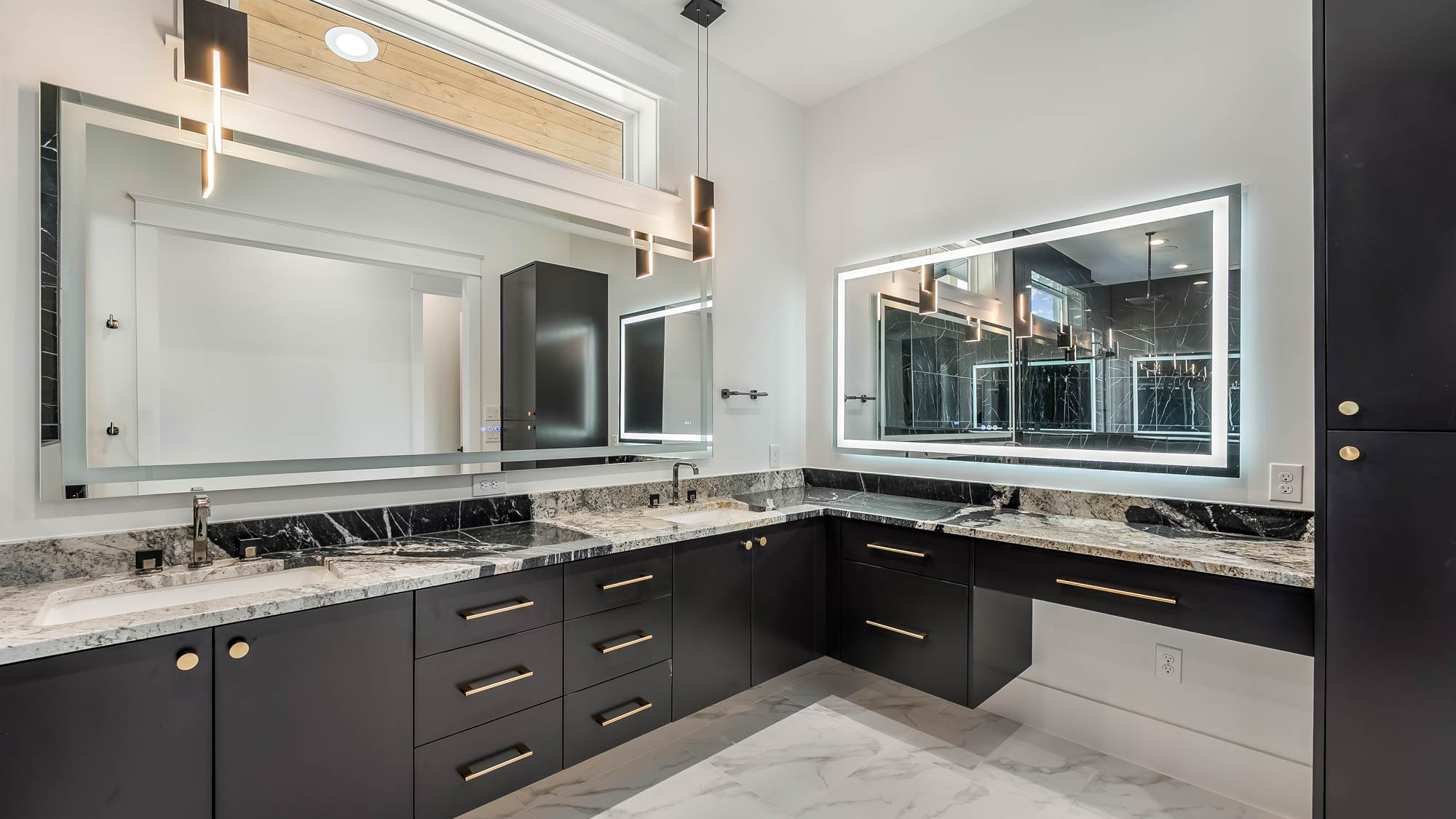
Choosing quality materials isn’t just about ticking boxes; it’s a commitment to longevity and beauty. When you invest in your custom home, the materials form the fabric of that investment. For example, opting for granite countertops gives not only visual elegance with its unique veining but also resilience against scratches and heat. Similarly, hardwood flooring brings warmth and character that can withstand years of foot traffic without losing charm. These choices underscore the idea that quality materials aren’t just decorative—they’re foundational.
Beyond appearance, durability plays a crucial role. Solid wood framing or cabinetry isn’t merely heavier than pressed wood—it resists warping and stands strong against wear and tear. This translates to fewer repairs down the road and better structural integrity overall. While pressed wood might look appealing and cost less upfront, over time it often succumbs to moisture damage or splitting. Investing in solid wood aligns with Parker Kane Custom Homes’ commitment to enduring craftsmanship, ensuring that your house feels like home for decades.
Energy-efficient windows are another material consideration blending form and function. They seal tightly to lock in comfortable temperatures and lower energy costs—a win for both your wallet and the environment. Plus, they contribute to healthier indoor air quality by reducing drafts and external pollutants. At Parker Kane Custom Homes, we help clients source materials like low-emissivity glass or double-pane configurations that serve these very purposes without compromising style.
The selection process involves balancing aesthetics with performance, budget with value. It requires foresight and education because not all “looks good” choices age well or meet today’s environmental standards. That’s why working closely with seasoned builders like Dale Heine and his team matters—their extensive relationships with trusted suppliers ensure access to premium materials at fair prices.
“Using the best materials is investing in peace of mind,” Dale often emphasizes when consulting clients. “It’s the difference between a house that simply stands up and one that gracefully endures.”
Every choice in building materials shapes the character of your home, setting the stage for tailored design decisions that reflect your unique vision.
Exploring Custom Design Options
Building a custom home is more than choosing bricks and mortar—it’s about crafting a space that tells your story. At Parker Kane Custom Homes, we believe the heart of custom design lies in collaboration. Working closely with skilled architects and interior designers, you have the opportunity to shape every corner into something uniquely functional and beautiful.
Whether it’s integrating custom lighting that highlights architectural features or installing built-in shelving tailored to blend seamlessly with your décor, these details elevate your home from ordinary to extraordinary.
When considering design options, think beyond aesthetics. Each choice should enhance how you live. For instance, open floor plans are popular because they foster connection and fluid movement throughout the home. These spaces feel expansive and welcoming, especially when paired with large windows that draw in natural light—a feature we often incorporate for our clients to bring warmth and vitality indoors.
Then there’s the allure of specialized rooms that elevate everyday living—home theaters for immersive movie nights, gourmet kitchens designed for both cooking and socializing, or spa-like bathrooms that offer a daily retreat. These elements aren’t just trendy add-ons; they’re intentional choices shaping your lifestyle.
At Parker Kane Custom Homes, we take pride in helping clients realize these visions while ensuring each element blends cohesively with the home’s overall design.
Technology also plays a key role in modern custom homes. Smart home integrations bring convenience—you can control lighting, climate, security, and entertainment systems from your smartphone or tablet.
We guide clients through selecting technologies that genuinely improve daily life without overwhelming the space aesthetically or technologically.
To keep the process smooth and satisfying, communicate openly with your builder about your priorities and lifestyle needs early on. The most successful custom homes arise from understanding what matters most to you—whether that’s a quiet nook for reading, expansive entertaining areas, or eco-friendly features that reduce your footprint.
As Dale Heine, owner of Parker Kane Custom Homes, often says: “A custom home should feel like an extension of who you are—a place where creativity meets comfort.”
Designing these unique features is exciting—but knowing how to manage your budget alongside your dreams ensures the project stays on course without compromising vision or quality.
Budgeting for Your Custom Home
Budgeting for a custom home demands both precision and flexibility. It starts with understanding that while you want to create your dream space, every decision carries a financial weight. Getting detailed estimates from your builder early on is indispensable; these numbers should cover every phase—from site preparation to final finishes.
But don’t stop at surface costs like labor and materials. Think about permits, inspections, and those hidden hurdles—like weather delays or supply chain hiccups—that can quickly inflate expenses.
In my experience working with families across Boerne, Bulverde, Fair Oaks Ranch, and San Antonio, those surprises often come from underestimating the small items: landscaping, utility hookups, or specialty design elements you decide on mid-project. That’s why adding a contingency—typically 10-15% over the estimated budget—provides a financial buffer that gives peace of mind amid the inevitable adjustments.
Once you have a realistic total in mind, considering how to finance your build becomes the next critical step.
Financing Options
| Financing Type | Description | Pros | Cons |
|---|---|---|---|
| Construction Loan | Short-term loan tailored specifically to cover building costs | Pay interest only during construction; flexible disbursement aligned with project stages | Often requires strong credit and collateral; more paperwork |
| Home Equity Loan | Borrowing against existing home equity | Typically lower interest rates; longer repayment terms | Risk of foreclosure if payments are missed |
| Personal Savings | Funding directly from your own savings | No interest charges or fees | Could drain emergency funds and savings |
Each financing path has tradeoffs. Construction loans offer flexibility aligned with build progress but may have tighter qualification standards. A home equity loan might be accessible if you already own property but comes with the risk of putting your current home on the line. Using personal funds avoids debt but reduces available reserves for unexpected situations.
Working closely with lenders familiar with custom builds—as our clients do when partnering with Parker Kane Custom Homes—can open doors to financing plans that fit your individual circumstances without jeopardizing future stability.
Careful budgeting combined with smart financing creates a foundation not just for building a house—but for creating a lasting home tailored uniquely to you, all while avoiding financial stress along the way.
Having mapped out your financial blueprint, it’s essential to shift focus towards practical insights that empower new homeowners to protect their investment and enhance their living experience.
Expert Advice for New Homeowners
Embarking on the journey of building a custom home is exciting, but it’s also filled with decisions that can feel overwhelming. Leaning on seasoned advice early helps avoid unexpected challenges and keeps your project on track.
One essential tip from experienced real estate agents and construction consultants is to anticipate future needs right from the start. This goes beyond simply choosing paint colors or fixtures—it means thoughtfully considering how your lifestyle might evolve in the years to come. Will your family grow? Do you foresee needing accessible features for aging in place? These questions shape design decisions that save costly renovations later.
Alongside planning for growth, it’s critical not to underestimate the value of meticulous inspections once construction wraps up. A thorough post-construction walkthrough may seem tedious, but this is when you catch issues—like incomplete finishes or mechanical quirks—that can be addressed before final payments. This step empowers you to hold builders accountable, ensuring quality craftsmanship matches your expectations.
Another common snag many new homeowners encounter involves timeline and budget surprises. Construction projects are living entities—they react to weather, supply delays, even labor availability. Experts recommend building contingency buffers both in your schedule and finances. Adding a cushion of 10–15% in your budget for unforeseen costs can prevent stress down the road and keep momentum steady when hiccups arise.
Common Pitfalls to Avoid
| Pitfall | Explanation |
|---|---|
| Failing to incorporate flexible living spaces | Adaptability for changing family dynamics or remote work |
| Rushing through or skipping crucial inspections after build completion | Risks missing flaws that affect quality |
| Neglecting realistic timelines and contingency reserves | Leads to stress and delays during construction |
It all comes down to thoughtful foresight—a principle Parker Kane Custom Homes embodies by collaborating closely with clients, discussing these vital elements from ground zero. Our personalized approach means we help you craft not just a house, but a genuinely livable home tailored to today’s needs while prepared for tomorrow’s surprises.
Combining this expert advice with careful planning and an understanding of the building process sets you on the path to creating your dream home.
With informed decisions and trusted experts by your side, building a custom home becomes a rewarding journey rather than a stressful ordeal.